
History of Stormwater in Florida
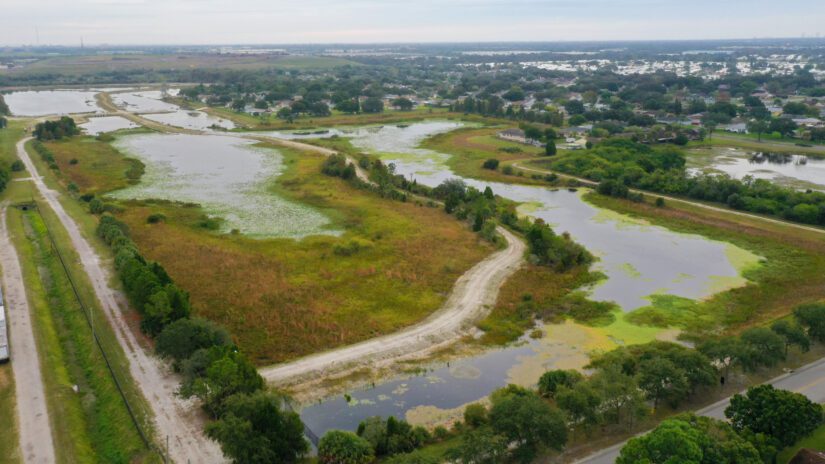
Pre-1970’s
Prior to the 1970s, stormwater drainage systems in Florida were developed and modified in an uncoordinated manner. Then, the Florida Water Resources Act of 1972 created the state’s water management districts, including the Southwest Florida Water Management District that regulates stormwater rules in Pinellas County.
1970s & 1980s
With the Florida Environmental Reorganization Act of 1975, the Department of Environmental Regulation, now the Florida Department of Environmental Protection (FDEP), was created as a state agency to oversee the water management districts.
In 1976, Florida voters approved a constitutional amendment allowing districts to levy taxes up to 1 mill ($1 of ad valorem taxes per $1,000 of assessed property value), which gave the programs dedicated funding for water supply planning and water quality programs, including setting minimum flows and levels and wetland protections.
Stormwater management in Florida became mandated under Chapter 62-25 of the Florida Administrative Code in February 1982. Florida was the first state in the country to adopt a rule requiring the treatment of stormwater to a specified level of pollutant load reduction for all new development. Chapter 62 regulated stormwater discharge and defined the design, maintenance, and construction of stormwater discharge facilities.
Stormwater management was (and is) intended to replicate the existing water flow to reduce pollution, sedimentation, flooding, and maintain salinity in estuaries needed to support wildlife.
While exemptions exist for individual homeowners, agriculture, and other activities, most new developments were required to treat their stormwater runoff to remove 80% of the annual Total Suspended Solids. This includes clay, sand, metal, debris, and even leaves and grass clippings that contribute to pollution and damage to our waterways.
Another key change in stormwater regulations occurred with the 1985 Growth Management Act, which required local governments to adopt a state-approved comprehensive plan. A key provision was concurrency, which said that public facilities (such as drainage and stormwater management, in addition to roads and other utilities) must be in place at the time of development or built concurrently and designed to meet the capacity needs for the new development.
This transformed the approach of stormwater management from reactive to proactive, linking stormwater infrastructure needs to growth and development. Additionally, the act required stormwater Level of Service standards to be set by local governments, which meant deciding what level of flood protection they would plan towards.
The last important pieces of legislation from this era were the 1987 amendments to the Clean Water Act establishing the Municipal Separate Storm Sewer System (MS4) permitting program, which is the first time that stormwater discharges from urban areas were subject to federal regulation.
The MS4 program, overseen by the US Environmental Protection Agency, requires municipalities over a certain size to reduce pollutants in stormwater to the maximum extent possible. The MS4 program also increased the stormwater regulatory scope in the form of minimum control measures by requiring public education, public involvement, illicit discharge detection, construction site runoff control, post-construction stormwater management, and municipal pollution prevention.
2000 to Present
In October 2000, EPA authorized the Florida Department of Environmental Protection (DEP) to implement the NPDES stormwater permitting program in the state of Florida (in all areas except Indian Country lands). DEP’s authority to administer the NPDES program is set forth in Section 403.0885, Florida Statutes. The NPDES stormwater program regulates point source discharges of stormwater into surface waters of the state of Florida from certain municipal, industrial and construction activities.
In 2024, Florida passed SB 7040 which updates Florida’s stormwater rules and design criteria to improve water quality treatment and protect the state’s waterways.
Under the new rule, applicants for stormwater management systems will continue to have flexibility to choose from a range of design options, including a variety of best management practices, when designing systems to meet the performance-based design criteria.
The amendments to this rule also ensure that future permitted systems will be better maintained. Operation and maintenance entities will be required to have estimates for the expected routine maintenance costs and to certify that they have the financial capability to maintain the stormwater system over time. The rules also provide for more consistent oversight through a required periodic inspection routine and reporting on the inspection results to the permitting agency.