
U.S. Department of Housing and Urban Development – Floodplain Management 5-Step Decision-Making Process – Catholic Charities Pinellas Hope, 5726 126th Avenue N, Clearwater, FL
Step 1: Determine whether the action is located in a 100-year floodplain (or a 500-year floodplain for critical actions) or wetland.
Per the effective Flood insurance Rate Map (FIRM) Panel Number 12103C0139H dated 8/24/2021 (see below), the project boundary to include remove and the removal and replacement of five residential buildings which provide housing to formerly homeless individuals; as well as the purchase and installation of a 60W generator. The map shows the entire site is in the 100-year floodplain (blue shaded Zone AE).
As this project is proposing interior renovations that would not be considered a “Substantial Improvement” per 24 CFR Part 55.2(b)(10)(i) and the footprint of the structure and paved areas are not being significantly increased, according to 24 CFR Part 55.12(a)(4) the abbreviated 5-Step decision-making process (steps 2, 3 and 7 of the 8-step are not required) must be completed by the responsible entity to determine if there are any practicable alternatives to carrying out this project in the 100-year floodplain.
The recent assessed value is $4,895,946 and the cost of the planned repairs to include minor facility renovations is significantly less than 50% of the market value; therefore, not considered substantial improvements. See attached site map, project description and funding amounts which are also included in the Part 58 environmental review.
Step 2: Notify the public for early review of the proposal and involve the affected and interested public in the decision making process.
The decision-making steps in 55.20(b)(c) and (g) (steps 2, 3 and 7) do not apply to this activity as it meets the criteria in 55.12(a)(4).
Step 3: Identify and evaluate practicable alternatives.
The decision-making steps in 55.20(b)(c) and (g) (steps 2, 3 and 7) do not apply to this activity as it meets the criteria in 55.12(a)(4).
Step 4: Identify and evaluate the Potential Direct and Indirect Impacts of Associated with Floodplain Development and Wetland Protection.
The project involves minor improvements to an existing public facility which include resurfacing/sodding of outdoor sports field and the installation of an irrigation system, well and pump. The site is located outside of the 100-year floodplain. Therefore, this project is not considered a “Critical Action” as identified in 24 CFR Part 55.2(b)(3)(i).
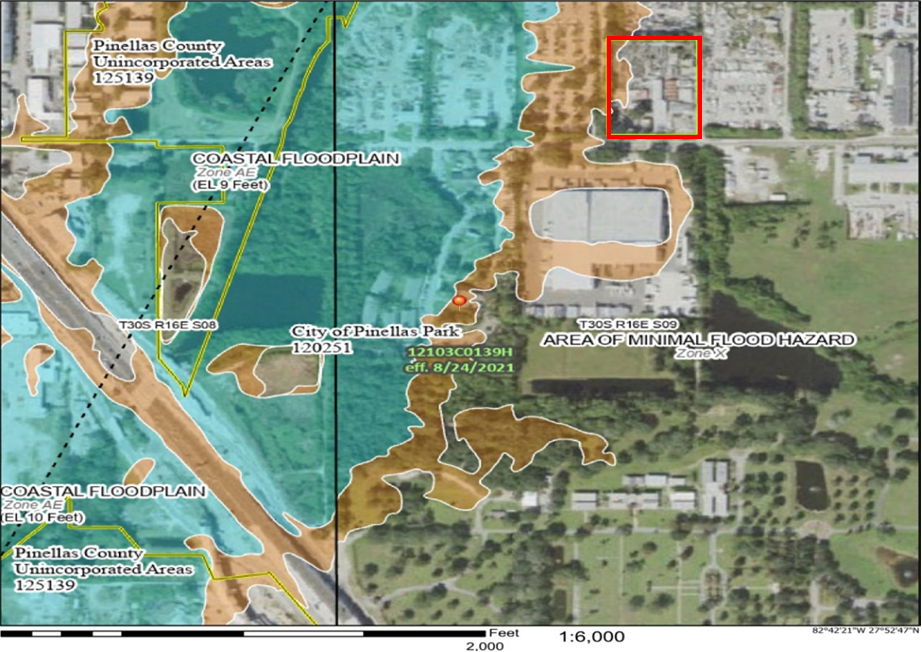
This map image is void if the one or more of the following map elements do not appear: basemap imagery, flood zone labels, legend, scale bar, map creation date, community identifiers, FIRM panel number, and FIRM effective date. Map images for unmapped and unmodernized areas cannot be used for regulatory purposes.
Evaluation of Lives and Property:
The County has considered the impacts associated with this project and the project is not a Critical action.
To address the safety issues related to the property, flood insurance will be maintained for the for the preservation of the property. The renovations propose minor improvements within the existing footprint. As a result, the facility renovation project will not result in any additional adverse impacts to the property and the clients it serves due to the project’s location in the 100-year floodplain.
Evaluation of the Natural and Beneficial Functions and Values of the Floodplain:
- Water resources, water quality maintenance and ground water recharge: As stated above, the project includes only minor improvements to the existing building (electrical upgrades, fencing, playground resurface, etc.) and will not result in an increase in the footprint or paved areas. The site also has sufficient drainage facilities including a retention pond on the southwestern border. Therefore, no adverse impacts to water resources, water quality or ground water recharge are anticipated. See site photos below.
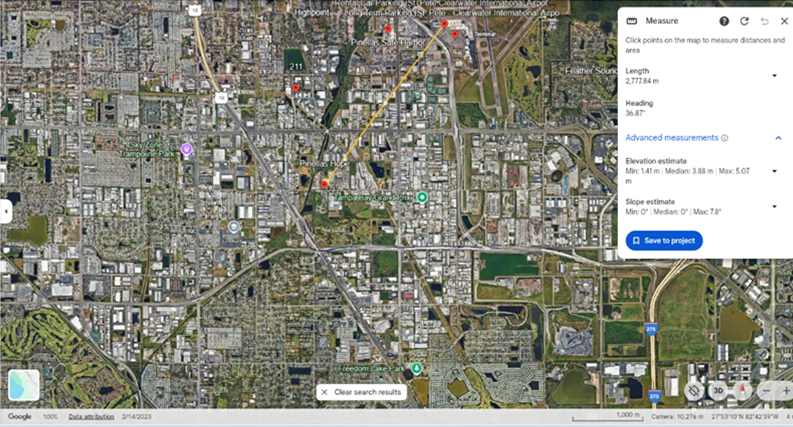
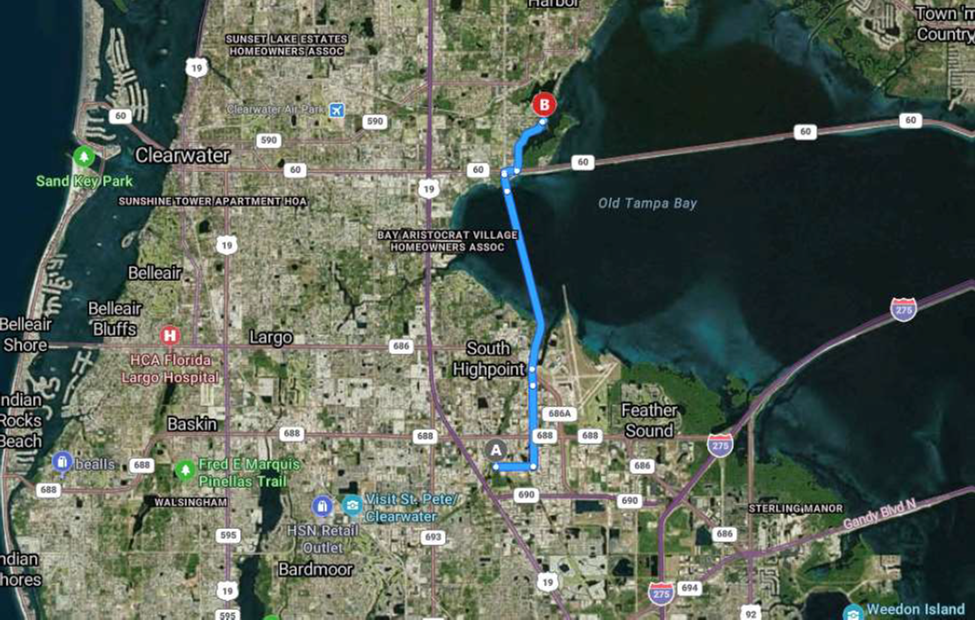
No retention pond on the property. Cooper’s Bayou is 7 miles from the site:
- Living resources including flora and fauna: The site is located in a fully developed urban area and does not contain any protected flora or fauna. The site includes a mowed green space in the center of the property with traditional landscaping throughout including small trees and shrubs. In addition, as the proposed improvements will be occurring in the existing buildings and no increase in the building footprint or paved areas is projected, no adverse impacts to flora or fauna is anticipated.
- Cultural resources including historic and recreational aspects: As stated above, the site has been previously developed and contains an open green space behind the property for recreational purposes. As no ground disturbing activities are planned, no additional impacts to historic properties are anticipated.
- Agricultural, aquacultural, and forestry resources: The site is currently not being used for farming and does not contain any aquacultural or forestry resources; therefore, no adverse impacts are anticipated.
Step 5: Where practicable, design or modify the proposed action to minimize the potential adverse impacts to lives, property, and natural values within the floodplain/wetland and to restore and preserve the values of the floodplain/wetland.
(b) Preserving Property: As stated in various sections above, only two of the eleven buildings are located in the 100-year floodplain. In order to preserve the property, flood insurance will be maintained in order to mitigate possible flood damage. Pinellas County is currently participating in good standing in the National Flood Insurance Program. See attached copy of the current flood insurance policy.
(c) Preserving Natural Values and Minimizing Impacts to the Floodplain: As stated above, no ground disturbing activities or increases in the building footprint or impervious surfaces are planned. Therefore, no impacts to the natural functions and values of the floodplain are anticipated.
Step 6: Reevaluate the Alternatives.
- Based on the 5-step decision-making analysis completed by the responsible entity (Pinellas County Government), the County has determined the project is still practicable and the proposed renovations to Catholic Charities Pinellas Hope will not have a significant impact on the 100-year floodplain as proposed. Flood insurance will be maintained in accordance with the Flood Disaster Protection Act of 1973 to address any repairs to the property in the event of a flood. The existing the Pinellas Hope has been operating in the community since 1998. The residential facility is located within the neighborhood where it serves very low- and low-income formerly homeless individual/families. Moving the facility to a location outside of the flood zone is not a viable alternative due to the cost and availability of other locations. In order to preserve lives, local law enforcement and the emergency broadcast system will implement an early warning system should flooding conditions arise. Therefore, the responsible has determined that carrying out the proposed rehabilitation project in the 100-year floodplain is the preferred alternative as the repairs to the property are necessary to ensure the continued viability of the facility. In addition, none of the planned improvements are anticipated to have an adverse impact to the 100-year floodplain.
Step 7: Determination of No Practicable Alternative.
The decision-making steps in 55.20(b)(c) and (g) (steps 2, 3 and 7) do not apply to this activity as it meets the criteria in 55.12(a)(3).
Step 8: Implement the Proposed Action.
The Pinellas County Government has determined that there is no practicable alternative to carrying out the project in the 100-year floodplain. As a result, the rehabilitation project will be implemented as proposed and the required flood insurance requirements will be monitored by Pinellas County and Catholic Charities – Pinellas Hope to assure flood insurance is maintained for the life of the properties or as otherwise required by The Flood Disaster Protection Act of 1973 (42 U.S.C. 4012a).