
Fertilizer & Landscape Information
When fertilizer is applied incorrectly or before heavy rain, it washes off lawns and into stormdrains, which lead straight to our waterways. Years of excess fertilizer use have overloaded Pinellas County’s waters with nutrients, fueling harmful algae blooms like red tide. These blooms cloud our water, harm wildlife, and negatively impact our beaches, economy and quality of life. It’s far more effective – and affordable – to prevent pollution at the source than to clean it up later.
- Follow the summer fertilizer ban. From June 1 to Sept. 30, Pinellas County prohibits the sale and use of lawn or landscape fertilizer containing nitrogen or phosphorus to protect our environment during the rainy season.
- Remember that the fertilizer-free zone begins 10 feet back from the top of the slope towards any seawall or body of water.
- Use Florida-friendly yard products. Choose fertilizers with iron and other micronutrients to keep your lawn healthy and green year-round.
- Reclaimed water often contains plenty of nutrients; extra fertilizer may not be needed
Sprinkler Calibration | Time Clock Setting - Use only what your lawn needs. Apply no more than four pounds of nitrogen per 1,000 square feet per year.
- Keep fertilizer where it belongs. Sweep stray granules off sidewalks, driveways and streets back into the landscape.
- Watch the weather. Avoid fertilizing before heavy rain, which can wash fertilizer into stormwater runoff – wasting money and polluting our environment.
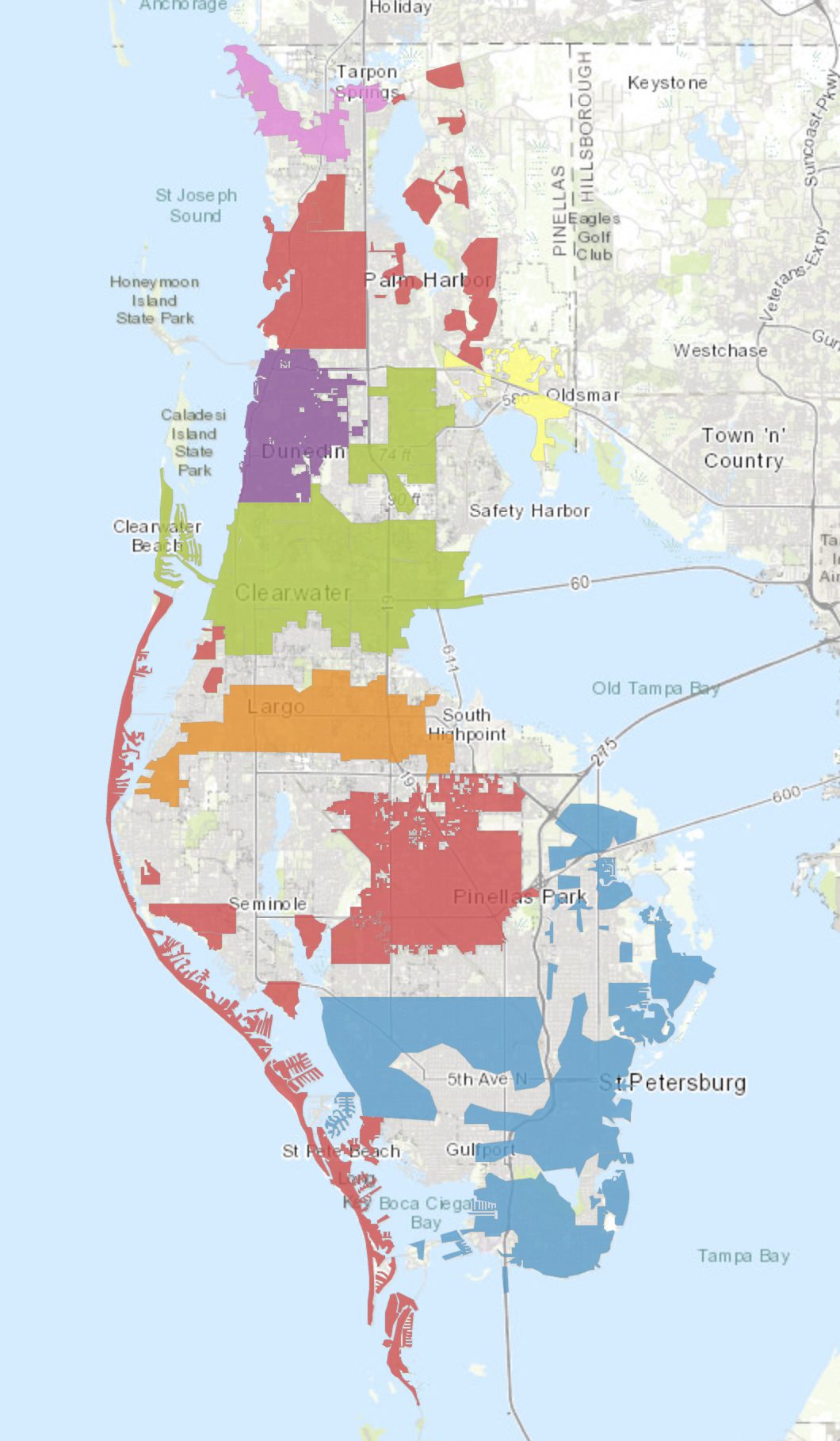
Click to see how reclaimed water reduces your fertilizer needs
Healthy Landscapes Start with Smart Maintenance
Whether you care for your own yard or manage properties professionally, simple practices can keep landscapes thriving while preventing excess nutrients and debris from washing into stormdrains and polluting our waterways.
- Keep debris out of the street. Never blow leaves or clippings into roads or stormdrains. Consider mulching clippings into your lawn instead. They can provide up to 50% of the nitrogen your grass needs. Leaves can be mulched into plant beds or bagged.
- Handle yard waste responsibly. Collect garden clippings and tree trimmings. Compost, use curbside pickup or use a yard waste drop-off site. Visit Pinellas.gov/where for more information.
- Use pesticides carefully. Apply only when needed and always follow the label instructions. If you’re not following the label, you’re breaking the law.
- Mow the right way. Avoid mowing with the discharge chute facing the road or drainage ditches; mow toward the center of your lawn instead or, better yet, use a mulching lawn mower.
- Prevent erosion. Stabilize loose soil with mulch, sod or other coverings to keep it from washing into stormdrains and waterways.
- Store materials securely. Keep landscape materials under tarps or secured plastic sheeting to protect them from wind and rain. Schedule grading and excavation work during dry weather.
- Repair leaking equipment promptly. Absorb fluids and dispose of them properly. Visit Pinellas.gov/where for details about disposal.
- Store and handle chemicals safely. Keep all chemicals and fuels in covered storage, and make sure everyone is trained on proper cleanup and disposal methods.
- Mow high for healthier grass. Keep St. Augustine and Bahia grass at least 3.5 inches tall to make your lawn resistant to droughts and pests.
- Prune palms with care. Never remove green fronds. Over-pruning weakens palms and makes them more vulnerable to stress.
- Water wisely. Avoid over-watering and make sure sprinklers are not spraying roads or driveways. A properly adjusted system saves water and prevents runoff.
Fertilizer Use Ordinance
- Pinellas County Fertilizer Ordinance Summary
- For Retailers & Distributors: View information for commercial retailers and distributors of fertilizer about the retail sale of fertilizer.
Landscape Maintenance Training
Landscape Maintenance Best Management Practices training – Recommended for anyone that mows, prunes, edges, uses a blower or trims trees.
Fertilizer Applicator Professionals
Do you get paid to apply fertilizer? All commercial and institutional applicators must complete the Green Industry BMP (GIBMP) class and obtain the limited fertilizer license from the Florida Department of Agriculture and Consumer Services (FDACS) before applying fertilizers.
- Learn more about landscape fertilizer applicator requirements.
- Search GIBMP certifications
Soil Nutrient Testing
Before you can apply fertilizer containing phosphorous to turf or landscaping, you must first submit a soil test that shows deficiency for phosphorous.