
How to Save Resources – And Money!
There are many ways we can all help to conserve our limited resources while also saving money. Below are some practical ideas to get you started.
Reduce your use
Reducing your water, energy and waste by making small, prudent changes in your daily life can make a big difference to our community.
Make your home more energy efficient:
Duke Energy offers free home energy checks, which provide a detailed breakdown of your home’s past and current energy usage and a free energy efficiency kit. The Home Energy Check report is customized for your home so you can review specific tips on how to save energy and lower your electric bill. The check can be completed online, over the phone, or in person at your home.
Visit the Duke Energy website to learn how you can save with their:
- Lower My Bill Toolkit
- Free Home Energy Checks
- EnergyWise Home program
- Home Energy Improvement rebates
- Multifamily & Manufactured Homes Energy Improvement rebates and incentives
EnergyStar can also help you find more information on home upgrades, tax credits and rebates.
Water reduction rebates:
The Tampa Bay Water Wise program offers 11 rebates for residential and non-residential customers who purchase or implement new water saving devices and measures. Learn more about how to save money by saving water.
Water conservation at home:
- Water Saving Tips
- Avoid Overwatering
- Calibrating a Sprinkler System
- Reclaimed Water and Landscaping
- Leak Detector Guide
Cleaner waterways in your neighborhood:
Lawn, garden, and more!
- Pinellas County Lawns and Gardening
- Planting Pinellas: The Podcast
- For landscaping businesses: Landscape Maintenance BMP Course
Waste reduction:
- Low-Waste Event Guide
- How to Reduce, Reuse, Recycle
- Reduce Your Use Tampa Bay Pledge (for individuals and businesses)
- Waste Reduction and Recycling FAQs for Businesses
- Small Quantity Generator (SQG) Program (for businesses generating only minimal amounts of hazardous waste)
- Clean Marina Program (offers published materials, seminars, and activities to help boaters protect our waterways and marine life from pollution)
Recycle at your home and business
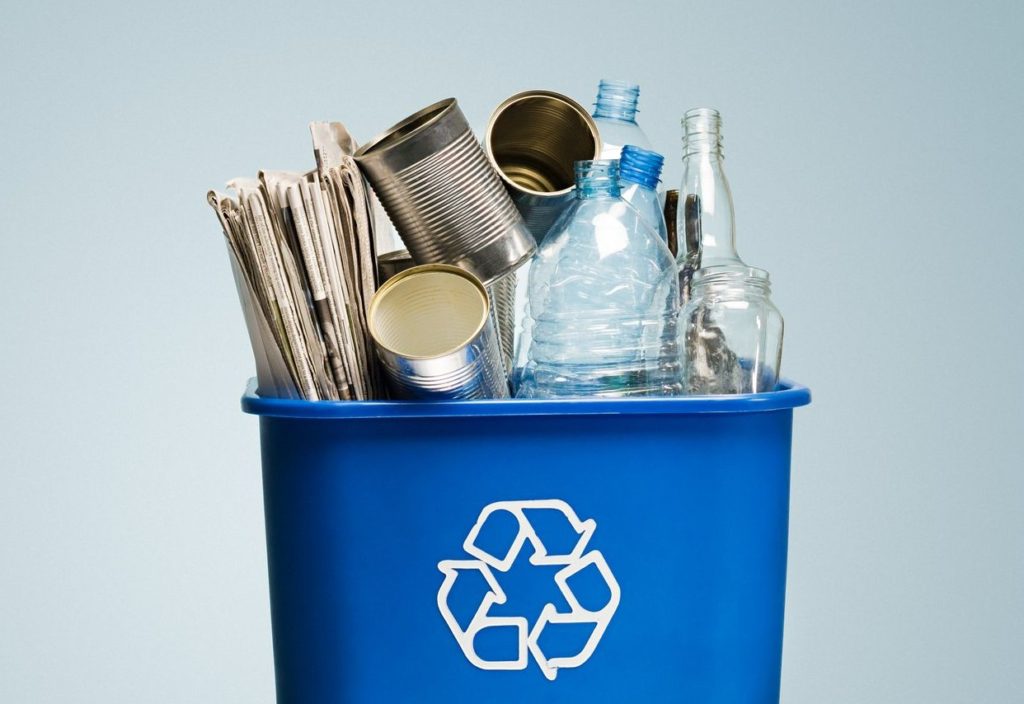
When you recycle at home and at your business, you are keeping waste out of our landfills, which have a limited lifespan. See the resources below for practical ways to recycle.
Learn more about recycling in Pinellas County with these resources:
- Recycle Guide
- How to Reduce, Reuse, Recycle
- Recycling FAQs
- Where Does it Go? Search Tool
- Waste Reduction and Recycling FAQs for Businesses
- Holiday and Gift-Giving Guide
Consider Your Energy Options
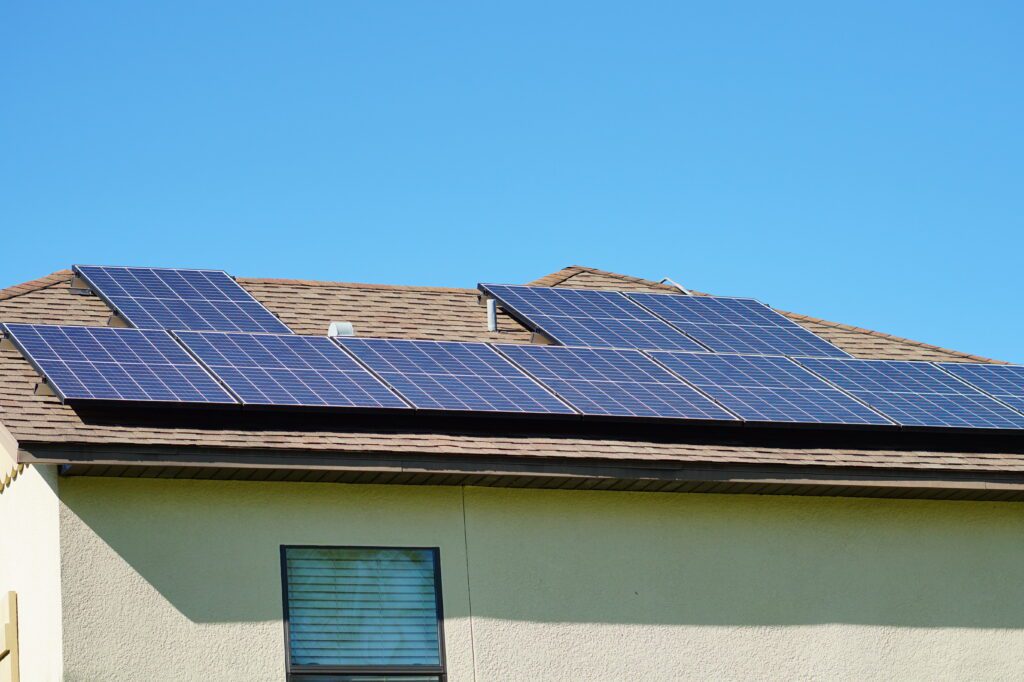
Solar energy production is growing rapidly in Florida, helping to save residents and businesses money on energy costs. If you’re interested in installing solar panels at your home or business, the resources below may help:
Federal Solar Tax Credits – could end Dec 31, 2025 (interpretations under legal review)
Home and business owners who install solar panel systems can save on installation costs through federal solar tax credits. A tax credit is a dollar-for-dollar reduction in the amount of income tax you would otherwise owe.
Tax credits for homeowners
The federal Residential Clean Energy Credit is a tax credit that can be claimed on federal income taxes for a percentage of the cost of a solar photovoltaic (solar panel) system paid for by the taxpayer.
In August 2022, Congress passed an extension of this tax credit, raising it to 30% for the installation of systems between 2022-2032. It will decrease to 26% for systems installed in 2033 and to 22% for systems installed in 2034. The tax credit expires starting in 2035 unless Congress renews it.
There is no maximum amount that can be claimed.
Tax credits for businesses
There are two tax credits available for businesses and other entities like nonprofits and local and tribal governments that purchase solar energy systems:
- The Clean Electricity Investment Credit (ITC) is a newly established tax credit that replaces the Energy Investment Tax Credit, which was phased out at the end of 2024. This is an emissions-based incentive that is neutral and flexible between clean electricity technologies. The ITC reduces the federal income tax liability for a percentage of the cost of a solar system that is installed during the tax year. Learn more about the ITC.
- The Clean Electricity Production Credit replaces the Energy Production Tax Credit, which was phased out at the end of 2024. This credit is also an emissions-based incentive that is neutral and flexible between clean electricity technologies. The production tax credit (PTC) is a per-kilowatt-hour tax credit for electricity generated by solar and other qualifying technologies for the first 10 years of a system’s operation. It reduces the federal income tax liability and is adjusted annually for inflation. Learn more about the PTC.
Taxpayers cannot claim both the ITC and the PTC for the same facility.
Solar Co-op Programs:
Solar co-op programs allow residents to save on solar installation costs through bulk discounts and get one-on-one support throughout the installation process. Learn about local solar co-op programs through Solar United Neighbors (SUN)
Financing through Solar and Energy Loan Fund (SELF):
The nonprofit Solar and Energy Loan Fund offers low-interest-rate financing for solar equipment installation and other home improvements to make your home more energy efficient. SELF’s solar loans require no minimum credit score, no income limits and no minimum asset or home equity. Learn more about solar financing with SELF.
Other Solar Energy Resources:
- Homeowner’s Guide to Going Solar (U.S. Department of Energy)
- Estimate your community’s solar potential with Google’s Project Sunroof
Consider alternative transportation
Making the switch to alternative transportation could save you money and reduce fuel and maintenance costs.
Bus Information
- Flamingo Fares App (Contactless ticketing)
- SunRunner Bus Rapid Transit
- Trolley Services
- St. Pete-Clearwater International Airport (PIE) Airport Shuttle
Pinellas Trail
Get involved
Pinellas County Volunteer Opportunities
View Pinellas County government volunteer opportunities
Other Community Volunteer Opportunities
Environment & Wildlife
- Audubon Society:
- Clearwater Marine Aquarium
- Florida Native Plant Society, Pinellas Chapter
- Friends of Brooker Creek
- Friends of Crescent Lake
- Friends of Hammock Park
- Friends of Tampa Bay National Wildlife Refuges
- Keep Pinellas Beautiful
- Seaside Seabird Sanctuary
- Solar United Neighbors
- Suncoast Primate Sanctuary
- Surfrider Foundation, Suncoast Chapter
- Tampa Bay Conservancy
- Tampa Bay Estuary Program
- Tampa Bay Watch
Other Causes
Search for local volunteer opportunities by topic on VolunteerMatch:
- Advocacy & Human Rights
- Animals
- Arts & Culture
- Children & Youth
- Community
- Education & Literacy
- Environment
- Health & Medicine
- Homeless & Housing
- Hunger
- People with Disabilities
- Seniors
- Veterans & Military Families
- Women
Search for local volunteer opportunities via Volunteer Florida