
Lessons Learned from Extreme Weather
Because there’s no teacher like experience, we asked community members to share lessons learned from the last couple of years from hurricanes, tornadoes and other forms of extreme weather. Here are a few of the responses, an expanded version of what can be found in the Hurricane Guide. (Comments edited for length and clarity.)
“What I wish I knew …”
“Over the years, we installed good windows, metal roof, whole house generator, and very sturdy metal covers for all windows. We are on high ground, so we do not get flooding. But we do lose power, so we have a whole house generator, and metal covers for the windows in case of bad storms.” – Debbie, Dunedin
“Do not take any risks staying put in your homes or place of residence. Be sure to have all your important documents together in a safe and watertight container that you can take with you in a hurry. Make a list, have a plan in place ahead of time. Don’t think it won’t happen to you.”
– Michelle, Clearwater
“Elevate if you live in a flood zone. Don’t risk storm surge.” – Jaimee, Largo
“Prepare ahead of time and make sure you have money, as cash available is huge and allows options when there are not many.” – Sarah, Palm Harbor
“Have a plan that allows you to react quickly. Bridges close and don’t reopen for days after the devastation, so don’t plan to get back right away.” – Antonio , Indian Rocks Beach
“Put everything away, including trash cans. Trim trees if needed. Some people don’t care what kind of damage their yard debris may cause others.” – Anna, St. Petersburg
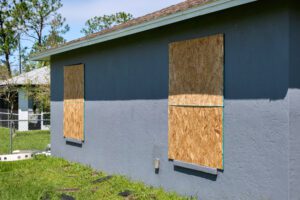
“Secure your windows. Storm windows are not enough. Use shutters, panels or plywood. Plywood is a ton of work. In low-lying areas, remove all vehicles to higher ground. After the storms go through, watch out for scams, like fake contractors.” – Joseph, Madeira Beach
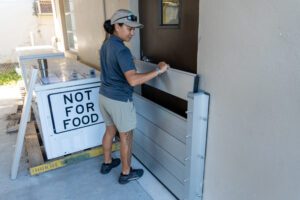
“Set up some type of dam system at all doors and the garage door. Check your electrical outlet boxes on the outside walls of your home and make sure they are sealed. I had water coming in through the outlets in the house because the outside boxes were not sealed. Don’t put off flood mitigation if you want keep your house and belongings.” – Phil, Unincorporated Pinellas County
“Get a generator to have just in case.” – AM, St. Petersburg
“Remove items such as cars, bikes, lawn mowers, etc. to a place with higher ground, if there is a flood concern. These items may not be covered by home or flood insurance.” – Amanda, Palm Harbor
“Make sure you have enough money and water, easy-to-prepare food, ice, coolers, medicines and batteries for radios, flashlights and fans. Know where your emergency evacuation location is. Have an emergency kit packed with important paperwork.” – Armetta, Clearwater
“Electrical outlets are better higher up instead of code height. Your washer, dryer, refrigerator will float and tilt. Put more things on countertops and beds to save them.” – Ann, St. Petersburg
“Box up family pictures, videos and important papers and put in your car. We put ours on top of our bed and they all were knocked onto the floor.” – Phil, Indian Rocks Beach
“Don’t take a chance thinking you’re safe or your house wont be damaged! Get valuables out early if possible. Know your insurance coverage and have places to go, and have a place you can move vehicles to very early on.” – James, Madeira Beach
“When they say evacuate, evacuate. Staying on the island for Helene was a huge mistake. Very scary. I should have evacuated. I didn’t take the evacuation notice seriously and I wish I had. I really feel like evacuation should be taken more seriously. We all thought it was going be a fun night and it certainly was not. It was one of the only times in my life that I was scared for my life. My advice is to take evacuation notices seriously.” – Stacey, Treasure Island

“Leave when they tell you to. Take all important papers with you.” – Mary, St. Petersburg
“Listen to the warnings! If they say evacuate, do it! Your life is worth too much and everything else can be replaced. Save yourself the heartache of having to experience the event. You’ll be dealing with the unknown which can be quite scary. Be prepared for help to be unable to get to you right away. It might be a pain to evacuate but we have to remember safety first!” – Melanie, Madeira Beach
“If you have to evacuate, take it seriously. We left our home, but didn’t bring family photos, etc., because I was going through the motions. Money can replace belongings, but you can’t get back a scrapbook you made with your daughter when she was in kindergarten.” – Jenn, St. Petersburg
“The impacts and disruptions last longer than you think. Lack of electric, cable, internet, and phone service need to be planned for as it takes time to get these restored. Before buying or renting a home, look up your evacuation zone and flood zone. You don’t have to be on the water to be flooded.” – Tess, Largo
“Hurricanes aren’t simply rain and wind. They aren’t choosy. They will destroy everything. They are strong. Example: A square concrete slab that an HVAC system was stationed on, floated, yes, FLOATED, into our yard from a block away. The force of the flooding water was so strong it knocked our front stairs backward. It will and can kill.” – Kimberly, Largo
“Power outage is a fact. It’s always hot. Don’t open the refrigerator until the power comes on. Freeze a container of water; put a penny on top of the frozen water; check the penny when the power returns. If it has sunk to the bottom due to power outage, throw the food out. Move objects that could fly in high winds into the garage. Scope out where to park your car on higher ground if expecting a storm surge.” – Lee, Unincorporated Pinellas County
“Have your own financial resources in place to begin the recovery process: cleaning, remediation, deposits and rental payments for indefinite temporary housing (as well as your mortgage) and replacement of even the basics, such as food, clothing, toiletries.” – Katy and Rich, Virginia, formerly Tarpon Springs
“Be very prepared, know evacuation location, have emergency bags ready with all important information, food, water, medicines. Make sure all electronics are fully charged. Have extra batteries, money, clothes and a means of transportation.” – Armetta, Clearwater
“Sandbags don’t work when flood is over two feet.” – Matthew, Clearwater
“A pool pump is not covered by any insurance.” – Richard, St. Pete Beach
“Get a dehumidifier and fans. Plus backup power. Put gasoline in your cars.”- Scott, Dunedin
“Always board up windows. Stock up on bottled water and non-perishable food. Have flashlights charged in advance.” – Scott, Oldsmar
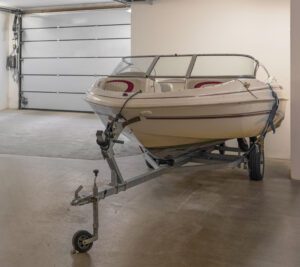
“Water is extremely powerful. Take important papers with you. Pull your boat out of water if you can.” – Sandra, Madeira Beach
“Take any sentimental items when hurricane or flood is pending, especially anything your child has made. Leave the house even if your neighborhood has never flooded. Have a current inventory of all household items especially, albums, books, any collectibles.” – Bren, Dunedin
“I put in floodgates. I also have waterproof marine tape and waterproof foam for the door and window cracks.” – Fran, Redington Beach
“Don’t be complacent. Get out when the authorities tell you to. You usually have several days to prepare. Make sure you do that. Also turn your power off on the way out.” – Grace, Madeira Beach

“Evacuate. Your life is more important than materials. In advance, have a plan to where you will evacuate and your route. In advance, have non-perishable food and water in your home. I am a single mom of two and we did a drill to know how we would be able to handle the emergency situation. We lost all of our material items, but my kids and my cats are OK.” – Vivian, Madeira Beach
“Never underestimate ANY storm. It’s best to prepare and not have an issue. Hurricanes can be very unpredictable. So just be safe and make sure your insurance is up to date.” – Renee, St. Petersburg
“Always be prepared and have a plan in place. When advised to evacuate, GO!!! Take all important papers and medication with you. Stay in touch with family.” – Jenny, Redington Shores
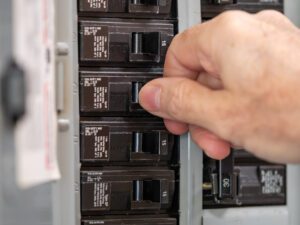
“Know and understand the details of all insurance policies and understand what each policy covers (property, flood, wind, auto). Invest in additional coverage options, such as temporary housing and food, or at least give these policy additions serious consideration. Non-perishable items can still get destroyed in flood water – keep non-waterproof items like cereal, bread, dog food, toilet paper, paper towels, etc., in plastic containers. Make sure the HVAC is completely off. Unplug and elevate power cords for electronics not in use, such as printers. If leaving the house for a storm, turn off breakers. If possible, unplug as many items as possible and lift the power cords. Install battery-operated cameras so that the property conditions are documented even if power is lost. This visual data is extremely important when making a claim and throughout the adjusting process. Keep all of this information in cloud-based storage and keep it updated. The small investment of time is priceless when making a claim.” – Nicole, St. Petersburg

“Evacuate.” – Chris, Largo
“Get out!” – Yvonne, St. Petersburg
“Prepare from day one of hurricane season. Prepare as if you’re going to be affected, hoping you’re spared. Don’t wait until the last minute to go to a shelter, don’t put other people’s lives at risk, and don’t forget your pets.” – Maria, Pinellas Park