
Guide to Managing Wipes
This resource has been developed by Pinellas County Solid Waste to provide businesses with guidance on how to properly manage wastes in accordance with federal, state and local laws.
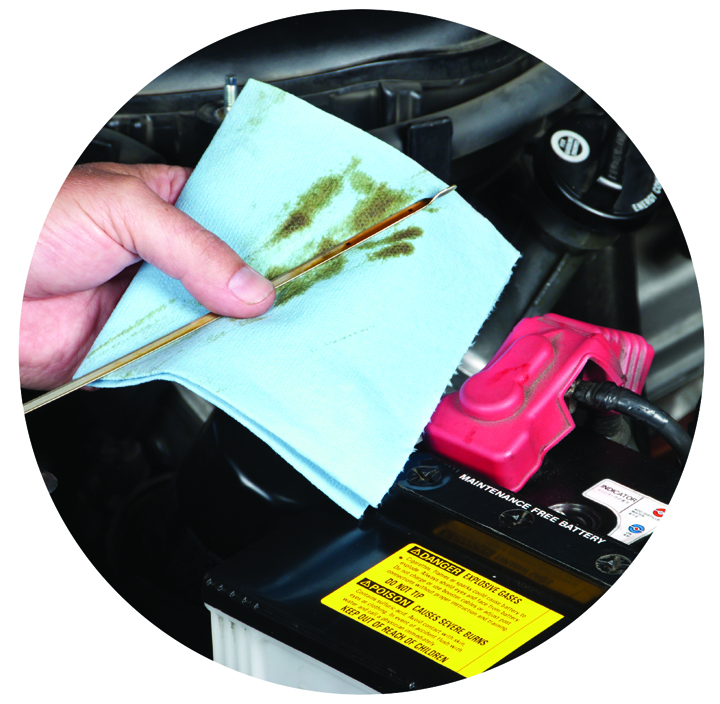
What are used wipes?
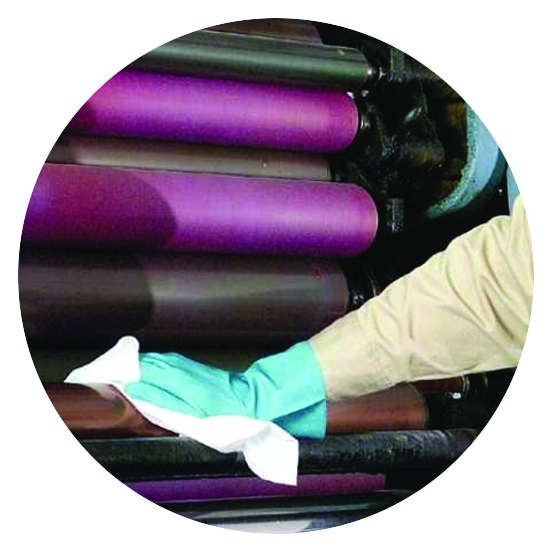
The U.S. Environmental Protection Agency defines a wipe as a “woven or non-woven shop towel, rag, pad or swab made of wood pulp, fabric, cotton, polyester blends or other material.” A solvent-contaminated wipe is defined as a wipe that, after use or after cleaning up a spill:
- Is contaminated with an EPA-listed solvent (F001-F005 solvents or the corresponding P- or U-listed solvents). Examples include:
- Acetone
- Ethylbenzene
- Isobutyl Alcohol
- Methanol
- Methyl Ethyl Ketone (MEK)
- Methylene Chloride
- Tetrachlorethylene
- Toluene
- Trichloroethylene (for reusable wipes only)
- Xylenes
For a full list of solvents, visit the EPA’s website.
- Has a hazardous waste characteristic resulting from a listed solvent.
- And/or is contaminated by a solvent that is ignitable (e.g., paint thinners, mineral spirits).
Why can’t they be placed in the garbage?
Even if they are dry, these used wipes are still contaminated with a hazardous solvent that could pose a fire risk, leach into the County’s landfill or harm the environment.
Proper Management of Wipes
State and federal regulations require that all solvent-contaminated wipes be properly laundered at a commercial launderer, managed under a certain exclusion, or managed as hazardous waste. If properly managed under the solvent-contaminated reusable or disposable wipes exclusion, they do not count toward your facility’s hazardous waste generator status.
Solvent-Contaminated Reusable Wipes Exclusion
Storage, Labeling and Accumulation
Wipes must:
- Have no free liquids (more information below).
- Be stored in closed containers labeled “Excluded Solvent-Contaminated Wipes”.
- Be stored onsite less than 180 days.
Reuse
Wipes must be laundered at a regulated laundry or dry cleaning facility.
Recordkeeping
Keep the following records for three years to show that wipes were properly managed:
- Name and address of the laundry or dry cleaning facility.
- Documentation of the 180-day accumulation time limit being met.
- Description of the process used to meet the “no free liquids” condition.
No Free Liquids Condition
Wipes must not drip or release liquid. Facilities may use mechanical wringers, solvent extraction technologies or their normal work process to make sure wipes are dry enough to pass a standard “no free liquids” test, known as the Paint Filter Liquids Test (EPA Methods Test 9095B).
Solvent-Contaminated Disposable Wipes Exclusion
Storage, Labeling and Accumulation
Wipes must:
- Have no free liquids.
- Be stored in closed containers labeled “Excluded Solvent-Contaminated Wipes.”
- Be stored onsite less than 180 days.
Disposal
Wipes must be managed at regulated landfills or incinerators. In Pinellas County, facilities can dispose of them at the Pinellas County Solid Waste Disposal Complex. An appointment is required. Call (727) 464-7500 to schedule.
Wipes must:
- Be in a clear, sealed plastic bag (six millimeters or thicker).
- Be labeled “Excluded Solvent-Contaminated Wipes.”
- Have no free liquids.
Recordkeeping
Keep the following records for three years to show that wipes were properly managed:
- Name and address of the facility receiving the wipes.
- Documentation of the 180-day accumulation time limit being met.
- Description of the process used to meet the “no free liquids” condition.
Managing Hazardous Waste Wipes
Alternatively, solvent-contaminated wipes can be managed as hazardous waste and count toward your facility’s hazardous waste generator status.
Wipes cannot be managed under either solvent-contaminated wipes exclusion and require a hazardous waste determination if they:
- Contain listed hazardous waste other than solvents.
- Are corrosive or reactive.
- Contain regulated levels or RCRA heavy metals, such as lead or chromium.
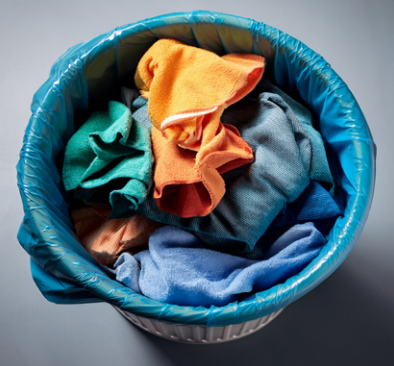
Managing Non-hazardous Waste Wipes
Once they are dry, non-hazardous waste wipes may be placed in the facility’s regular garbage bin or sent to a laundry or dry cleaning facility to be reused.
Reuse/Disposal
Use the Where Does It Go? Search Tool For Businesses to find used wipe laundering and disposal options.
Additional Resources
- Where Does It Go? Search Tool
- Recycle Guide & Downloadable Signage
- Household Chemical Collection
- Collection: Trash & Recycling
- Hours: Solid Waste Disposal Complex
- Disposal Fee Information
- Educational Resources: Trash and Recycling
- Recycling FAQ
- Map of Recycling Drop-Off Centers
- Artificial Reef Program
- Mulch Pickup Program
- For Businesses: Trash & Recycling Resources
- How Mixed Recycling Works In Pinellas County
- Video Library: Trash and Recycling
- Holiday and Gift-Giving Guide
- Pinellas Partners in Recycling
- Waste-to-Energy Facility
- Bridgeway Acres Landfill
- Solid Waste Master Plan
- Solid Waste Disposal Accounts
- Lealman Trash and Recycling Collection
- Tampa Bay Recycles
- Why Recycling Is Important
- Discover Careers with Pinellas County Solid Waste
Contact Us
For more information or to request a printed copy of this guide, contact the Pinellas County Small Quantity Generator Program at (727) 464-7500 or at bwa@pinellas.gov.
Updated on June 2, 2026.